Coyote Swap Guide: How to Drop a 5.0 V8 Into Anything
A plain-English guide to swapping a Ford 5.0 Coyote V8 into an older car or truck — engine mounts, swap harness, control pack, fuel, and the parts each stage needs.
Parts for This Guide at a Glance
Ford 5.0 Coyote owners
Coyote swaps into older cars and trucks
Ford 5.0 Coyote owners
Ford 5.0 Coyote owners
| # | Product | Owner Reviews | Availability | Best For | |
|---|---|---|---|---|---|
| 1 | 32 | $13.99 In Stock at Amazon | Ford 5.0 Coyote owners | ||
| 2 | — | $364.99 In Stock at Amazon | Coyote swaps into older cars and trucks | ||
| 3 | — | $242.99 In Stock at Amazon | Ford 5.0 Coyote owners | ||
| 4 | 9 | $33.98 In Stock at Amazon | Ford 5.0 Coyote owners |
The Ford 5.0 Coyote has become the modern LS swap — 400+ horsepower stock, a high-revving character, and a giant aftermarket. This guide walks the swap stage by stage and points you to new parts on Amazon and used/OEM parts on eBay Motors.
1. Mounts and Mechanical Fit
Every swap starts with getting the engine physically in the bay. Swap kits provide engine and transmission mounts engineered for popular chassis — Foxbody Mustangs, classic F-series trucks, and muscle cars. Get this right first; everything else hangs off a well-located engine. The mounts and swap oil pan are the two parts that must match your exact chassis, so if you’re speccing a kit for a specific platform, the Coyote swap kits by platform guide breaks down what changes between a Fox Body, SN95, S197, truck, and a universal swap.
2. Electronics: Harness and Control Pack
The Coyote is a modern, drive-by-wire engine, so the wiring is the part that scares most first-timers. A Ford Performance control pack or a purpose-built swap harness gives you a plug-in ECU, harness, and pedal so the engine runs without reverse-engineering factory electronics. There are really only three paths here — a control pack, a standalone harness, or a re-pinned OEM harness — and our Coyote swap wiring guide breaks down which one fits your transmission, generation, and budget. Pair it with a tuner if you want to dial in the calibration later.
3. Fuel System
The Coyote wants steady high-pressure fuel. Plan a fuel system — pump, rails, and injectors sized for your power goal — early, because retrofitting fuel into a finished car is miserable. Naturally aspirated swaps can run modest hardware; boosted builds need real capacity.
4. Airflow: Intake and Headers
Feed it and let it breathe. A cold air intake and a set of long-tube headers that clear your chassis unlock the Coyote’s top end and give it that unmistakable snarl. Header fitment is chassis-specific, so confirm clearance for your swap.
5. Building for Boost
If a blower is in your future, seal the top end first. Head studs hold the Coyote together under boost, and a supercharger turns a strong stock long block into a monster. Do the studs before the boost, not after.
Where to Buy
- New swap parts: Amazon Automotive — browse by category.
- Used and OEM components: eBay Motors, using the buttons above.
Shopping used or OEM? Try eBay Motors
Live listings for the parts covered in this guide — prices set by the seller.
Recommended Parts for This Guide

2PC 5.0L Coyote Emblem Car Rear Trunk Badge for F150,Black Red | Self-Adhesive,Zinc Alloy Material,for 5.0L Engine Trunk
32 owner reviews
2PC 5.0L Coyote Emblem Decal Car Engine Letters Decal Plating Badge 3D Metal Style Fit for F150 5.0L Engine Truck Black Red. A quality upgrade or replacement part for your Ford 5.0 Coyote V8.
- Fits Ford 5.0 Coyote
- Quality build
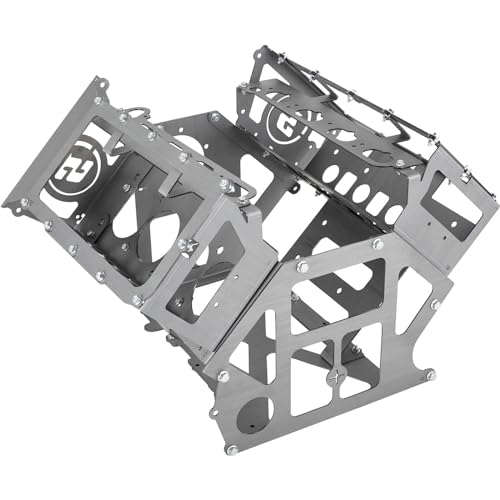
Engine Mock Up Block For Ford Coyote 5.0L 5.2L SoloSwap Long Block | Designed for accurate engine placement and mount fabrication
Engine Mock Up Block For Ford Coyote 5.0L 5.2L SoloSwap Long Block | Designed for accurate engine placement and mount fabrication. Coyote swap hardware — mounts, harnesses, and control-pack parts for dropping a Ford 5.0 Coyote V8 into an older car or truck.
- Simplifies the Coyote swap
- Mounts, harness & control pack

BlockDock™ Compatible with Ford Coyote 5.0 Engine Cradle Storage Stand
BlockDock™ Compatible with Ford Coyote 5.0 Engine Cradle Storage Stand. A quality upgrade or replacement part for your Ford 5.0 Coyote V8.
- Fits Ford 5.0 Coyote
- Quality build

Ford Flywheel Bolt Kit 5.0L Coyote
9 owner reviews
Ford Flywheel Bolt Kit 5.0L Coyote. A quality upgrade or replacement part for your Ford 5.0 Coyote V8.
- Fits Ford 5.0 Coyote
- Quality build
Frequently Asked Questions
Is the Coyote a good engine to swap?
What do I actually need for a Coyote swap?
How much power can a swapped Coyote handle?
Keep reading in the Coyote reference library
Coyote parts are sold by generation and platform far more often than the listings admit. These are the pages that answer whatever this one sends you asking next.
Coyote Swap Kits by Platform
What a complete kit includes for Fox Body, SN95, S197, trucks and universal — mounts and oil pan must match.
Coyote Swap Wiring & Control Packs
Control pack vs standalone harness vs re-pinned OEM — the step most swaps stall on.
Lift Plates, Stands & Handling Tools
How to move and hold a 5.0 safely — a Coyote has no carb flange, so the classic V8 lift plate does not apply.
Coyote Engine Generations by Year
Gen 1–4 by model year and platform, plus a physical ID procedure for an engine with no paperwork.
Shop the parts this guide covers
Or browse the full guide library, the ranked top lists, and all Coyote part categories.