Coyote Swap Wiring: Control Pack vs Standalone Harness Explained
The wiring is the part of a Ford 5.0 Coyote swap that scares people off. This plain-English guide breaks down control packs, standalone harnesses, and re-pinned OEM harnesses — what each one includes, which fits your transmission and generation, and where to buy new on Amazon or used/OEM on eBay Motors.
Parts for This Guide at a Glance
Coyote swaps into older cars and trucks
| # | Product | Owner Reviews | Availability | Best For | |
|---|---|---|---|---|---|
| 1 | — | $364.99 In Stock at Amazon | Coyote swaps into older cars and trucks |
Ask ten people why they haven’t started a Coyote swap yet and most of them will say the same thing: the wiring. The Ford 5.0 Coyote is a modern, drive-by-wire, computer-controlled engine, and the idea of making all of that run outside a Ford chassis stops a lot of builds before they begin. It shouldn’t. The electronics are the most solved part of a Coyote swap — you just have to know which of the three paths you’re on and buy the matching parts. This guide walks all three.
The three ways to wire a Coyote swap
There are really only three approaches, and picking the right one up front saves you the most money and frustration of any decision in the build:
- A Ford Performance control pack — the plug-and-play path. A matched harness, PCM, pedal, and sensors sold as one kit.
- A standalone / re-manufactured swap harness — a specialist harness (with or without a PCM) built for swaps, often with cleaner routing and extra features.
- A re-pinned OEM take-off harness — the factory harness and computer from your donor engine, cleaned up and stripped of chassis circuits.
Everything below is about matching one of those three to your engine, your transmission, and your power goals. New harnesses and sensors are on Amazon; the used control packs, take-off PCMs, and donor harnesses that make this affordable live on eBay Motors — the buttons on this page go straight to those searches.
1. The control pack: plug-and-play electronics
A control pack is the reason the Coyote became the modern LS swap. It’s a single kit that contains the engine wiring harness, a PCM (the engine computer) pre-flashed for that specific crate engine, a drive-by-wire accelerator pedal, the oxygen and mass-airflow sensors, and the power distribution box. Bolt the engine in, plug the harness in, connect power and ground, and the engine runs — no reverse-engineering factory wiring, no PATS anti-theft to defeat.
The catch is that control packs are matched to a specific engine and transmission. Ford Performance sells automatic and manual versions because the calibration and connectors differ (see the FAQ). Buy the pack that matches your exact crate engine or donor generation and your gearbox — not the cheapest one you can find. This is the single most common expensive mistake in a Coyote swap: a mismatched pack that won’t talk to your transmission or was built for a different generation.
Because a control pack is a self-contained system, it pairs cleanly with the mechanical side of the swap. Get your swap kit mounts located first, mock up the engine, and route the harness before the real engine ever goes in — a mock-up long block makes that dry-fit far easier and keeps you from scratching a finished engine while you sort out harness routing.
2. Standalone and re-manufactured swap harnesses
The second path is a standalone swap harness from a specialist. These come two ways: harness-only (you supply a compatible PCM) or harness-plus-programmed-PCM as a package. A good standalone harness is built specifically for swaps, so it’s often shorter, better labeled, and free of the body and chassis circuits you’d otherwise have to delete from a factory loom. Many add conveniences like a check-engine light output, a tach signal, and clean grounds broken out where you actually need them.
This path shines when your chassis needs custom routing, when you’re running a non-Ford transmission or a standalone trans controller, or when you just want a tidier install than a re-pinned OEM harness gives you. Tell the harness builder your engine generation, your transmission, and whether you plan to add boost — those three facts drive the connectors and the base calibration.
3. Re-pinning the OEM take-off harness
If you pulled a complete donor — engine, harness, and computer together — you can clean up and re-pin the factory harness rather than buying new electronics. It’s the cheapest path in parts, and the most work in labor. You’ll strip out the chassis and body circuits the engine doesn’t need, address PATS (Ford’s anti-theft, which can require the matching PCM and key data or a PATS-delete tune), and make sure the PCM matches the engine it came off. This is a reasonable route for an experienced builder working from a known-good donor; it’s usually the wrong first swap for someone who’s never pinned a connector.
Wherever you land, keep the electronics honest about the engine underneath. The Coyote’s Ti-VCT valvetrain leans hard on its sensors and actuators — the cam position sensors and the VCT solenoids the harness plugs into have to be healthy for the computer to run the engine right. A swap is the best time to refresh those wear items while everything is apart.
The pedal, the PCM lock, and PATS — the three gotchas
Three details trip up more Coyote swaps than anything else on the wiring side:
- Drive-by-wire pedal. The Coyote has no throttle cable. It needs a matching electronic accelerator pedal, and the PCM expects that pedal’s signal. A control pack includes the right pedal; if you’re piecing it together, source a compatible drive-by-wire pedal (the eBay rail below has them).
- PATS anti-theft. A factory PCM can refuse to start the engine unless it sees the right anti-theft handshake. Control packs ship with PATS handled; OEM re-pins may need the matching key/PCM data or a delete tune.
- A locked PCM. Even a running control-pack PCM is locked to its base calibration. The moment you add bolt-ons, injectors, or a blower, you need a way to change the tune — which is where a tuner or programmer comes in. Plan for it before you buy, not after.
Wiring for a boosted build
If a supercharger is in your plans, the electronics decisions change slightly. You’ll want a PCM you can unlock and tune, injector and fuel-pump control sized for the fuel system you’re building, and a harness that can carry the extra sensors a boosted tune may want (a MAP sensor, wideband, or boost control). None of that changes the mechanical order of operations — seal the top end with head studs before the boost — but it does mean choosing tunable electronics from the start rather than a locked plug-and-play pack you’ll outgrow in a season.
Which path is right for you?
- First swap, Ford transmission, want it running fast: a Ford Performance control pack matched to your engine and gearbox.
- Custom chassis, non-Ford trans, or you want the cleanest install: a standalone swap harness from a specialist.
- Experienced, working from a complete donor, budget-driven: re-pin the OEM take-off harness and PCM.
Whichever you choose, the mechanical foundation is the same — locate the engine with the right swap kit, plan the fuel system early, and keep a tuner in the plan so you can dial the calibration in later. For the full build order, start with the Coyote swap guide; to understand which parts are generation-specific before you buy any electronics, read gen 1 vs gen 3.
Where to Buy
- New harnesses, sensors, and pedals: Amazon Automotive — see the parts in this guide and browse by category.
- Control packs, take-off PCMs, and donor harnesses (used/OEM): eBay Motors, using the buttons above. These are exactly the kind of matched, hard-to-find electronics where eBay — not Amazon — is the real marketplace, and eBay listing prices are shown live so you can compare.
Shopping used or OEM? Try eBay Motors
Live listings for the parts covered in this guide — prices set by the seller.
Recommended Parts for This Guide
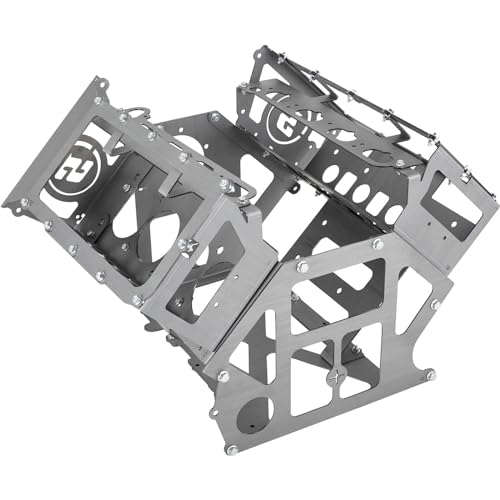
Engine Mock Up Block For Ford Coyote 5.0L 5.2L SoloSwap Long Block | Designed for accurate engine placement and mount fabrication
Engine Mock Up Block For Ford Coyote 5.0L 5.2L SoloSwap Long Block | Designed for accurate engine placement and mount fabrication. Coyote swap hardware — mounts, harnesses, and control-pack parts for dropping a Ford 5.0 Coyote V8 into an older car or truck.
- Simplifies the Coyote swap
- Mounts, harness & control pack
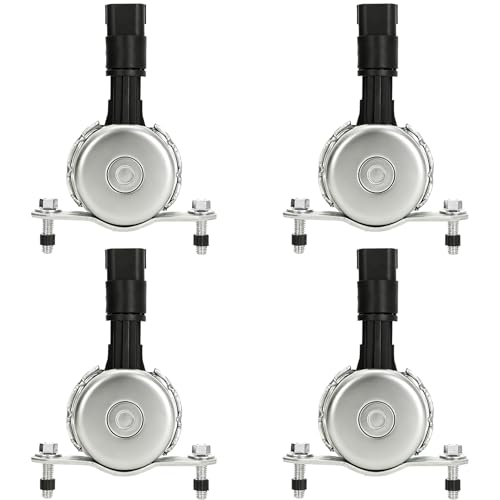
M-6297-M50A 5.0L Coyote Engine VCT Solenoids Compatible with 2013-2017 Ford F-150 5.0L, 2015-2018 Mustang Shelby GT350 5.2L, & 2013-2017 Ford Mustang GT 5.0L - 4-Pack
5 owner reviews
M-6297-M50A 5.0L Coyote Engine VCT Solenoids Compatible with 2013-2017 Ford F-150 5.0L, 2015-2018 Mustang Shelby GT350 5.2L, & 2013-2017 Ford Mustang GT 5.0L - 4-Pack. A quality upgrade or replacement part for your Ford 5.0 Coyote V8.
- Fits Ford 5.0 Coyote
- Quality build
Frequently Asked Questions
What is a Coyote control pack?
Do I need a control pack, or can I use the factory harness?
Does the control pack change if I run a manual versus an automatic?
Will a control pack let me tune the engine later?
What generation Coyote is my harness for?
Keep reading in the Coyote reference library
Coyote parts are sold by generation and platform far more often than the listings admit. These are the pages that answer whatever this one sends you asking next.
Coyote Swap Kits by Platform
What a complete kit includes for Fox Body, SN95, S197, trucks and universal — mounts and oil pan must match.
Best Coyote Tuners & Programmers
SCT, HP Tuners and Livewire explained — handheld flashers vs full tuning suites.
Coyote Swap Guide
The end-to-end process: donor engine, mounting, wiring, cooling, fuel and exhaust.
Coyote Engine Generations by Year
Gen 1–4 by model year and platform, plus a physical ID procedure for an engine with no paperwork.
Shop the parts this guide covers
Or browse the full guide library, the ranked top lists, and all Coyote part categories.